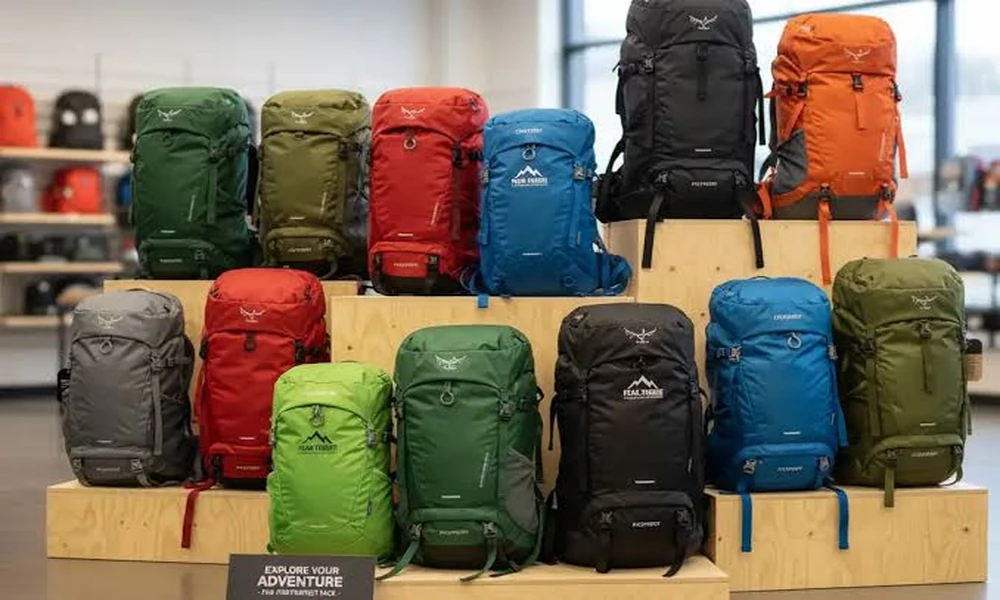

A good backpack makes daily life easier. Whether you carry a laptop to the office, head out for a short trip, or just need a stylish everyday bag, the right backpack keeps your hands free and your stuff organized. This guide is written in simple words for people aged 25 to 55. It covers laptop backpacks, office backpacks, backpacks for women, stylish options, and premium bags so you can find what fits your needs.
Overview
Backpacks have moved far beyond school bags. Today they serve professionals, travelers, and anyone who wants comfort plus style. The global backpack market reached about $21.7-24 billion in 2025 and is expected to grow to roughly $32-42 billion by the early 2030s, with a steady annual growth rate around 6-9%. Asia-Pacific leads the market, while demand for laptop-friendly, premium, and stylish designs keeps rising in cities everywhere.
This article explains types of backpacks, how to choose the right size and features, special options for men and women, laptop and office use, current trends, and practical tips. You will also find comparison tables, key takeaways, and answers to common questions.
Key Takeaways
- A backpack should fit your body (especially torso length) and the weight you carry so it feels comfortable.
- Laptop backpacks and office backpacks usually need a padded compartment for 15-16 inch devices and organized pockets.
- Capacity is measured in liters: 15-30 L for daily use, 30-45 L for short trips or heavier loads.
- Look for padded straps, a good back panel, water-resistant material, and quality zippers.
- Premium and stylish backpacks cost more but last longer and look better at work or meetings.
- The average everyday backpack holds about 22 L, while carry-on travel styles average around 39 L.
- Proper weight distribution (most of the load on the hips) prevents back and shoulder pain.
What Is a Backpack and Why Do People Prefer It?
A backpack is a bag worn on the back with two shoulder straps. It leaves your hands free and spreads the weight across your back and hips better than a handbag or shoulder bag. Modern backpacks come with frames (internal or external) for heavier loads, or simple frameless designs for everyday use. They are popular for commuting, travel, outdoor activities, and carrying laptops safely.
People aged 25-55 often choose a backpack because it works for the office, gym, weekend trips, and daily errands in one bag.
Types of Backpacks
Here is a simple breakdown of common types:
| Type | Typical Capacity | Best For | Key Features |
|---|---|---|---|
| Everyday / Daypack | 15-30 L | Daily commute, school, light use | Lightweight, multiple pockets |
| Laptop Backpack | 20-30 L | Work, office, college | Padded laptop sleeve (up to 16 inch), organization pockets |
| Office / Professional | 20-35 L | Business, meetings | Sleek look, RFID pockets, luggage pass-through |
| Travel / Carry-on | 30-45 L | Short trips, flights | Clamshell opening, packing cubes friendly |
| Stylish / Fashion | 15-25 L | Casual outings, fashion | Clean design, premium materials |
| Hiking / Outdoor | 30-70+ L | Trails, multi-day trips | Hip belt, frame, weather protection |
Laptop backpacks and office backpacks are especially popular among working adults. Many also double as stylish backpacks or premium office bags.
How to Choose the Right Backpack
Follow these simple steps:
- Decide your main use Work and laptop carry need a padded compartment. Travel needs more volume and easy packing access. Everyday use prioritizes comfort and style.
- Check the size (capacity in liters)
- Daily or office: 20-30 liters is usually enough.
- Short trips or heavier loads: 30-40 liters. Measure your laptop (most 15-16 inch models fit standard sleeves). A 16 inch laptop bag needs a properly sized padded section.
- Focus on fit and comfort The backpack should match your torso length. Padded shoulder straps, a sternum (chest) strap, and a hip belt (on larger packs) help distribute weight. Aim for most of the load on your hips, not your shoulders. Try the bag on with weight inside if possible.
- Look at materials and durability Nylon or polyester (especially ripstop or ballistic) resists wear and water. Leather or premium fabrics give a more polished look for office backpacks and stylish backpacks. Check zipper quality-YKK zippers are reliable.
- Check useful features
- Padded laptop sleeve (for laptop backpack or backpack laptop bag)
- Water bottle pockets
- Quick-access front pockets
- USB charging port (on some smart models)
- Luggage sleeve for travel
- Anti-theft or RFID-blocking pockets for city use
- Set a budget Everyday bags often cost $50-150. Premium laptop bags and office backpacks range from $150-300+. Higher prices usually mean better materials and longer life.
Backpacks for Women and Men
Backpacks for women often feature softer shapes, more color options, and designs that work as backpack handbags for ladies. Look for adjustable straps that fit smaller frames, lighter weight, and stylish details. Many women prefer slim profiles that still hold a laptop and daily essentials.
Backpack bags for men tend to offer larger capacity and more structured or rugged looks. Classic colors (black, navy, gray) work well for office and travel. Both men and women can use unisex designs-focus on fit rather than the label.
Stylish backpacks and premium office bags now come in designs that look professional enough for meetings yet casual enough for weekends.
Laptop Backpacks and Office Backpacks
A good laptop backpack protects your device with a padded, suspended compartment. Most fit 15-16 inch laptops. Extra pockets keep chargers, notebooks, and cables organized. Office backpacks add a more formal appearance so they pair with business casual clothes.
Premium laptop bags and premium office bags often use higher-grade fabrics, better padding, and thoughtful details like magnetic closures or hidden pockets. A backpack laptop bag or laptop hand bag hybrid can switch between backpack and shoulder carry for versatility.
When choosing:
- Confirm the laptop sleeve size matches your device.
- Test the weight distribution with your laptop inside.
- Prefer water-resistant exteriors for rainy commutes.
Latest Market Stats and Trends (2025-2026)
- Global backpack market size was approximately $21.7-24 billion in 2025.
- Forecasts show growth to $32-42 billion by 2030-2034 at a CAGR of roughly 6-9%.
- Asia-Pacific holds the largest share (around 35-38%).
- Premium backpacks (over $150) are growing faster than budget models.
- Everyday backpacks average about 22 L capacity; carry-on travel styles average near 39 L.
- Demand is rising for sustainable materials, smart features (charging ports), and multi-use designs that work for office, travel, and daily life.
These trends mean more high-quality laptop backpacks, stylish options, and durable office bags are available than ever before.
Comparison Table: Everyday vs Laptop vs Premium Office Backpack
| Feature | Everyday Backpack | Laptop Backpack | Premium Office Backpack |
|---|---|---|---|
| Capacity | 15-25 L | 20-30 L | 20-35 L |
| Laptop Protection | Basic or none | Padded sleeve (15-16″) | High-quality padded + organization |
| Style | Casual | Smart-casual | Professional |
| Typical Price Range | $40-120 | $80-200 | $150-350+ |
| Best For | Daily errands | Commute + work | Meetings + travel |
Tips for Comfort and Longevity
- Pack heavier items close to your back and centered.
- Adjust all straps properly before walking.
- Clean the bag regularly and store it empty when not in use.
- Replace worn straps or zippers early.
- Choose a slightly larger size if you often carry extra items, but avoid overloading.
For more packing advice, see our related guides on [travel packing tips] and [best laptop accessories for work]. (Internal links to existing posts on your site.)
Conclusion
Choosing the right backpack comes down to matching capacity, comfort, and features to your daily routine. Whether you need a reliable laptop backpack for the office, a stylish option for weekends, a premium office bag, or a versatile backpack for men or women, focus on fit, material quality, and useful pockets. With the market growing and more thoughtful designs available every year, you can find a bag that protects your laptop, feels good on your back, and looks the part.
Take a few minutes to measure your needs, try options if possible, and invest in something that will serve you well for years. Your back (and your belongings) will thank you.
Frequently Asked Questions
1. What size backpack do I need for daily office use?
Most people do well with 20-30 liters. This holds a laptop, charger, lunch, and a few extras without feeling bulky.
2. Can a backpack fit a 16 inch laptop?
Yes. Look specifically for models labeled for 16 inch laptops. Check the sleeve dimensions before buying.
3. Are backpacks better for your back than shoulder bags?
Yes, when fitted correctly. They distribute weight across both shoulders and the hips, reducing strain compared with one-sided bags.
4. What is the difference between a backpack and a rucksack?
They are largely the same. “Rucksack” is more common in some countries and often refers to outdoor or military-style packs.
5. How much should a fully loaded backpack weigh?
Ideally no more than 10-15% of your body weight for daily use. For longer hikes the limit can be higher if the pack has a good hip belt.
6. What material lasts longest?
High-denier nylon (especially ballistic or Cordura) and quality polyester with water-resistant coating hold up well. Premium leather also lasts but needs care.
7. Do I need a hip belt on an office backpack?
Not always for light loads. For heavier daily carry or longer walks, a hip belt or sternum strap improves comfort.
8. Are stylish backpacks practical for work?
Many modern stylish designs include laptop sleeves and organization while looking professional enough for the office.
9. How do I clean a backpack?
Empty it, wipe with a damp cloth and mild soap, and air dry. Avoid machine washing unless the label allows it.
10. Should I buy a premium backpack?
If you use it every day for work or travel, yes. Better materials, padding, and construction usually mean longer life and greater comfort.